The project
Since building the instrument, we've maintained it under a standing seasonal contract rather than waiting for the parish to notice problems — the most useful tuning visits happen right after the building's heating system switches modes each year, which is exactly when temperature-driven pitch drift is largest. Each visit checks pitch across every rank, re-voices any pipe that has drifted audibly since the previous visit, and inspects the tracker action for any early sign of wear before it affects touch.
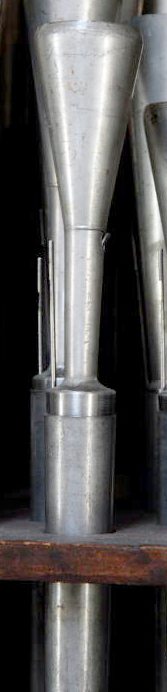
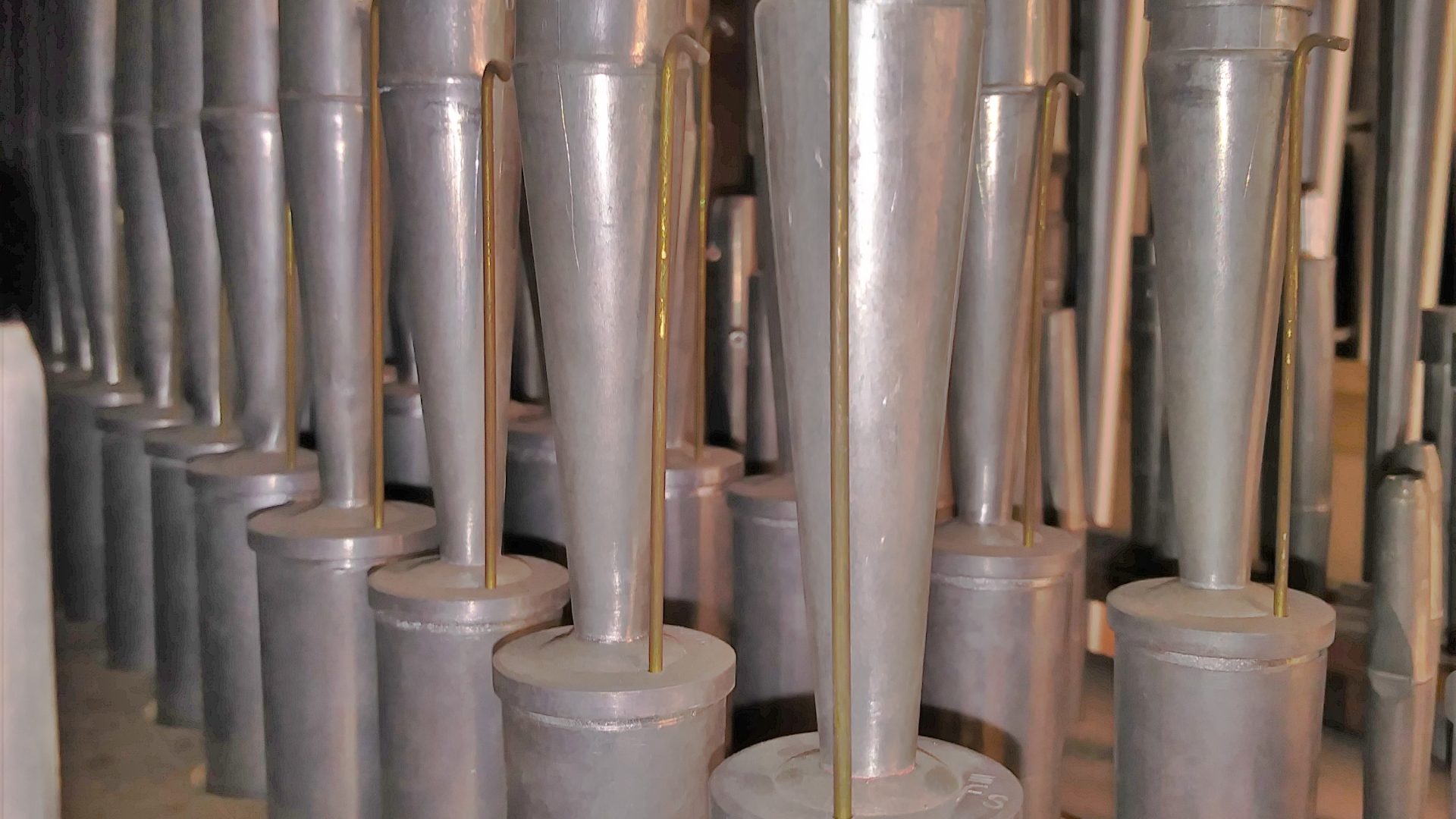
Five years into the contract, the reed stops (the fastest-drifting rank on any organ, since reed pitch is especially sensitive to temperature) have needed the most frequent attention, exactly as expected for a reed-equipped tracker organ in a seasonally-heated building.